B2B Sales Playbook
B2B SaaS Sales Playbooks That Reps Actually Follow
Reps improvise because the playbook wasn't built from positioning they believe in.
The Problem
Reps improvise when the playbook doesn't match reality
The deeper problem is upstream. When a playbook isn't connected to real positioning, reps can tell. The ICP feels theoretical. The objection handling doesn't match what buyers actually say. The playbook sits in a shared drive. Reps build their own talk tracks.
What It Costs
The playbook exists. Nobody uses it.
Longer ramp times
New reps spend their first months figuring out what actually works instead of following a system. Tribal knowledge replaces documentation, and every new hire starts from scratch.
Inconsistent deal quality
Without shared qualification criteria, reps define "good deal" differently. Pipeline reviews surface opportunities that should have been disqualified two stages ago.
Pipeline leaking at handoff
The lead becomes an opportunity, but nothing transfers with it. No documented qualification criteria. No context on what pain the buyer expressed. No script for the first sales conversation.
Sales-marketing misalignment
Marketing writes messaging from the brand book. Sales writes messaging from what closes. The two drift apart until the only thing they share is a CRM and a quarterly pipeline meeting.
What We Build
Playbooks built downstream of your positioning
Outcome Marketing practitioners build sales playbooks from the same positioning that drives your marketing. The Bets-to-Story methodology sets the ICP, the messaging, and the competitive landscape before the first playbook section is written. Reps follow the playbook because it matches what buyers actually say in calls.
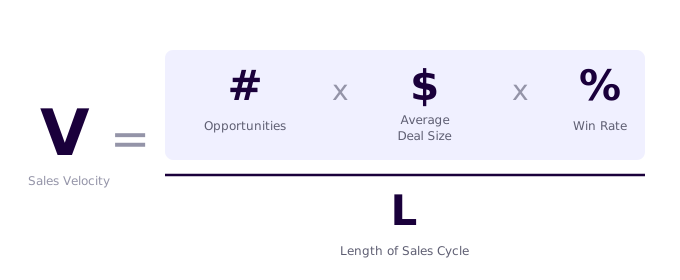
The result shows up in every variable of the sales velocity equation: more qualified opportunities, higher win rates, larger deal sizes, and shorter cycles. A playbook that sales trusts, marketing recognizes, and new hires can use from week one.
ICP-grounded playbook
Buyer profiles built from real positioning, not demographic assumptions. The ICP in the playbook matches the ICP marketing targets, so leads and qualification criteria align.
Objection handling from competitive intelligence
Objections mapped to your actual competitive landscape. Not generic responses, but specific positioning against the alternatives your buyers are evaluating.
Stage-by-stage process with exit criteria
Each stage has clear entry and exit criteria so pipeline reviews are productive. Reps know what "Stage 3" means because the playbook defines it, not tribal knowledge.
Onboarding-ready format
New reps can follow the playbook in their first week. Talk tracks, email sequences, and call frameworks are structured for someone who doesn't have six months of institutional context.
Free Guide
The B2B SaaS Sales Funnel Framework
Four stages from prospecting to close, with stage-gate qualification, the Pain Ladder discovery framework, objection handling, and a deal qualification scorecard.
See the Complete Funnel FrameworkThe Practitioners
Sales playbook practitioners in the network
Practitioners and agencies who build messaging, sequences, and objection handling aligned to your positioning — not generic templates.

Kevin Arquiza
Sales Performance Consultant
Sales performance manager who turns SDR teams into consistent pipeline producers through coaching systems and KPI accountability
View Profile
Channel Mastered
MSP Channel Programs & Partner Marketing Agency
Builds and scales MSP channel programs for SaaS, cybersecurity, and cloud vendors through a network of 45,000-plus MSPs
View Profile
Belkins
B2B Lead Generation Agency
B2B lead generation and appointment setting at scale, with omnichannel cadence engineered for forecastable pipeline
View Profile
AchieveUnite
Channel & Partner Ecosystem Agency
Channel and partner-ecosystem strategy for B2B technology vendors building partner-sourced revenue
View ProfileFrequently asked questions
-
A complete sales playbook covers ICP definition, messaging framework, objection handling, stage-by-stage sales process with exit criteria, competitive positioning, and onboarding materials. The difference between a playbook that gets used and one that doesn't is whether these elements connect to real positioning. When the ICP is grounded in your bets and the objection handling reflects your actual competitive landscape, reps recognize the playbook as useful, not theoretical.
-
Reps ignore playbooks that were built from strategy decks, not from positioning they experienced. When the messaging feels abstract or the ICP doesn't match who they actually sell to, reps default to whatever worked last time. Playbooks built downstream of real positioning get used because the talk tracks match what buyers say in calls. The objections are real. The competitive framing is current. Reps follow playbooks they trust.
-
The connection is the ICP and the messaging. When the sales playbook and demand generation run on the same positioning, marketing generates leads that match the profile sales qualifies against. Handoff criteria are shared. Messaging is consistent from first touch to close. Pipeline quality improves because both teams are working from the same definition of who the buyer is and what the company stands for.
Related services
Fractional CMO
The leadership layer that sets positioning before the playbook is built. Bets-to-Story is the upstream input.
Demand Generation
The system that generates pipeline against the same ICP the playbook qualifies. Shared positioning means shared pipeline quality.
Customer Journey
The full buyer experience from first touch through retention. The playbook covers the sales stages; the journey covers everything else.
Build a playbook reps actually use
Find a practitioner who builds sales playbooks from positioning, not templates.
Browse Marketplace